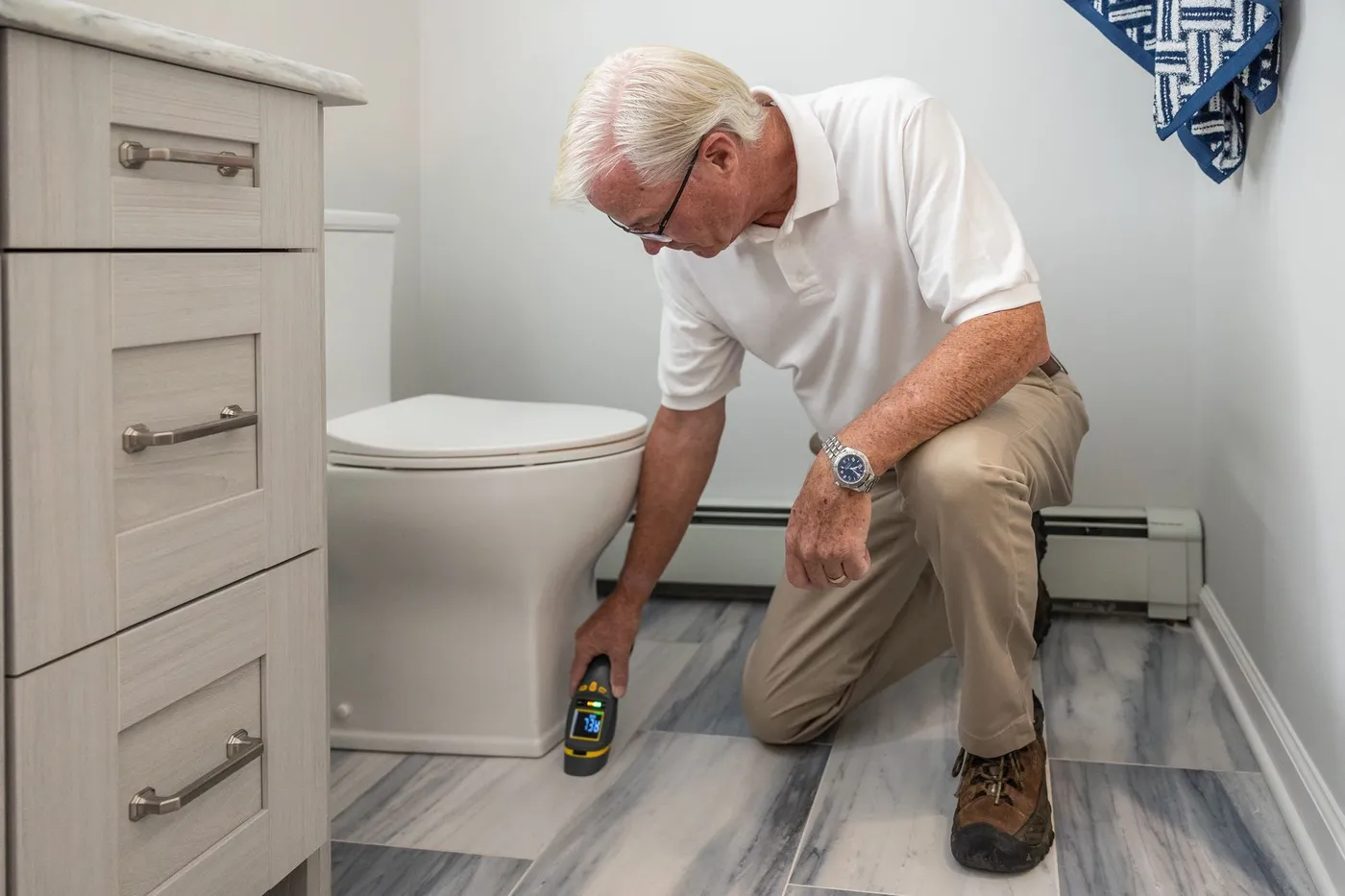
What Does Radon Testing Involve?
We place a calibrated continuous radon monitor in the lowest lived-in level of the home, usually a bedroom, office, or living area rather than a garage or unfinished storage space, since those don’t reflect what a family actually breathes. The monitor sits undisturbed for 48 hours while you keep the home closed up in a normal way, meaning regular coming and going is fine but propping doors and windows open isn’t. We collect the device afterward, pull the data directly, and walk you through the reading, in pCi/L, the same day.
When Do You Need Radon Testing?
- You’re buying or selling a home anywhere in Duval County and need a result for the contract.
- Your home has never been tested, especially if it was built before 2015.
- You’ve added a room, finished a slab extension, or done other work that could have opened a new pathway for soil gas.
- A previous test is more than two years old, since radon levels can shift with foundation settling or seasonal changes.
Why Does Radon Show Up Inconsistently Between Homes?
Two nearly identical houses next door to each other can post very different radon readings, and the reason usually comes down to what’s directly underneath the slab rather than anything about the house itself. A pocket of looser fill dirt, a gap where a plumbing line was set, or a seam between two separate slab pours can all give soil gas an easier path upward on one lot than the next.
Wind, barometric pressure, and even how much the air conditioning runs on a given day can also shift a reading slightly, which is part of why a 48-hour test smooths out day-to-day swings better than a quick spot-check would.
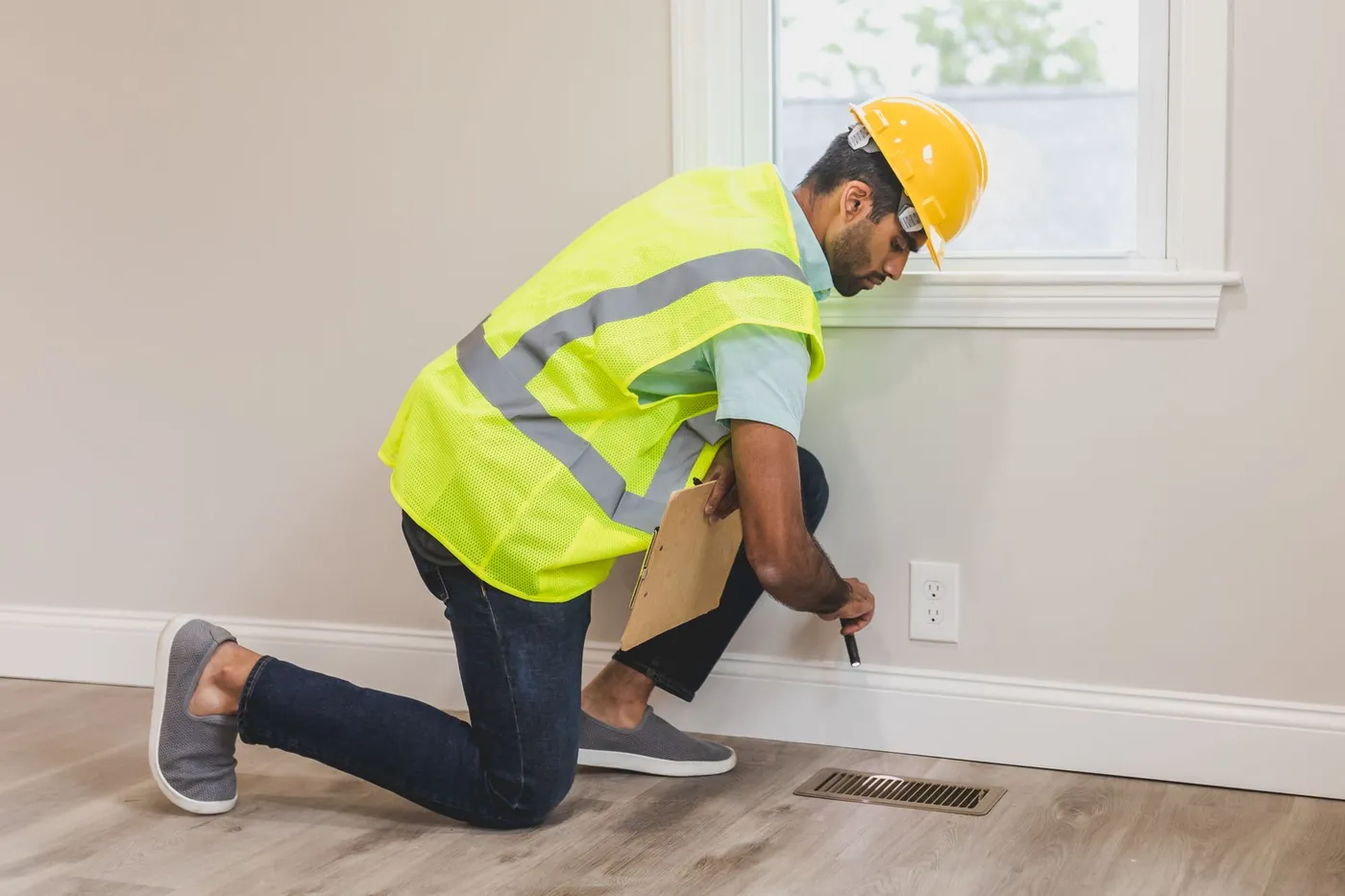
What Affects the Cost of Radon Testing in Jacksonville?
The cost of a standard short-term test is often credited back if you move forward with a mitigation system on the same visit. What changes the price: whether you need same-day rush results for a closing deadline, whether more than one monitor is needed to cover a large single-story home, and whether you want a longer continuous monitoring period instead of the standard 48-hour window. Call and we will quote your house before we schedule anything.
Short-Term vs. Continuous Monitoring: Which Do You Need?
A short-term 48-hour test is the right call for a real estate transaction, since it fits inspection contingency deadlines and gives a clear pass or fail number against the 4 pCi/L action level. A continuous monitor left in place for weeks or months makes more sense if you’re not under a deadline and want to see how radon levels shift with the seasons before deciding whether a full mitigation system is worth installing.
Frequently Asked Questions
How long does a radon test take in Jacksonville?
A short-term test runs for 48 hours with the windows and doors kept closed as much as normal, and we come back to collect the monitor and give you results the same day. A continuous monitor can also run for longer stretches if you want a fuller seasonal picture before deciding on mitigation.
Do I need a radon test if I’m just selling my Jacksonville home?
Most purchase contracts written in Duval County today include a radon inspection contingency, so a buyer’s inspector is very likely to test the home anyway. Getting ahead of it with your own test means you know the number before a buyer does and can plan around it instead of reacting to a surprise during closing.
Can I test for radon myself instead of hiring someone?
A DIY charcoal kit from a hardware store can give a rough idea, but it depends on you following placement and timing instructions exactly, and results take a week or more by mail. A professional short-term test with a calibrated continuous monitor is more reliable for a real estate transaction or before spending money on a mitigation system.